
The Environmental Justice Oral History Project is a multi-dimensional storytelling program that aims to elevate and uplift the personal experiences and narratives of historically underserved populations with regard to environmental justice. This project hopes to document a history of environmental experiences in the American South, injustices and place-based pleasures, through communal storytelling, adding a humanist and documentary perspective on environmental issues while advocating for just, equitable, and anti-racist solutions.
What is Environmental Justice? Is it just the “fair treatment and meaningful involvement of all people” in “the enforcement of environmental laws, regulations, and policies”?
This project argues environmental justice extends beyond pollution exposure and equal treatment to include land-based joy, and histories and modernities grounded in ancestral connections to nature, place, and space. Environmental Justice is a culture as much as a movement. It is an acknowledgment of past wrongs, present protest, and future well-being.
The Environmental Justice Movement is an under-covered and under-recognized arm of the Civil Rights Movement. Where oral historians have been collecting stories from the champions of the Civil Rights Movement for decades, the Environmental Justice Movement has stewed on the back burner, a forgotten memory in academic spaces and traditional storytelling.
This project uses the tradition of oral history to re-center environmental joy, environmental harm, and environmental justice in mainstream media conversations. In connection with community partners representing the mothers and fathers of the Environmental Justice Movement as well as the next generation of movement leaders, this collection is an attempt to bring the under-covered, under-reported, and under-resourced to the forefront.
The Rural Beacon Initiative (RBI) is a BIPOC-led social enterprise that leverages deployed projects to increase community ownership in the emerging supply chains of clean energy and regenerative agriculture. RBI’s mission is to ensure that BIPOC communities—particularly BIPOC communities in the Southeast—are at the forefront of a just transition that deploys projects which not only lower emissions and electrify communities but create real economic opportunities for those that have too long been siloed from this conversation.
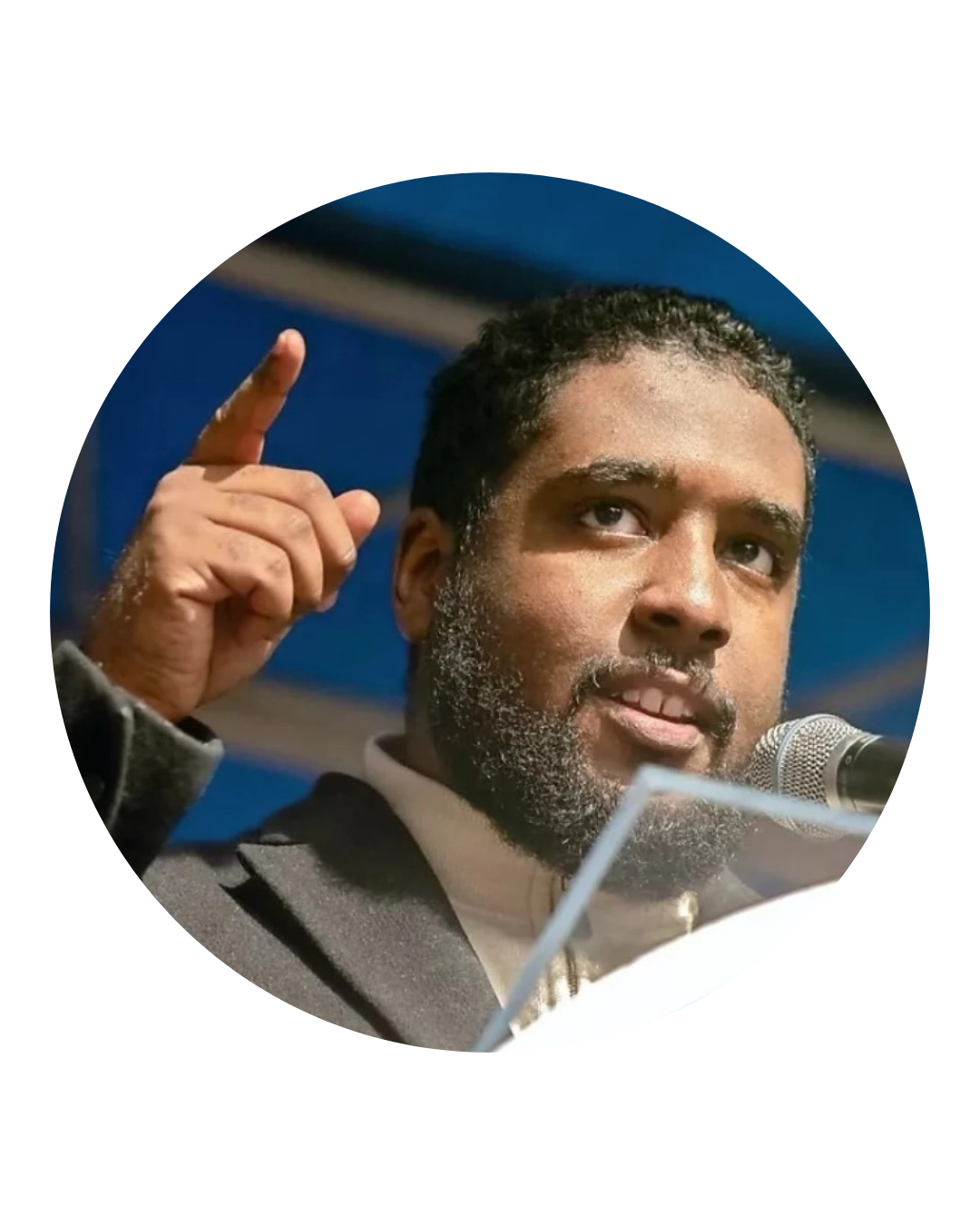
The EJOHP has worked with RBI founder, William Barber III, to collect oral histories and develop articles about their organizations first deployed project, the Free Union Farms Hub, and the legacy of the Piney Woods Free Union community in Jamesville, North Carolina.
Learn More
The North Carolina Black Alliance (NCBA) is working toward state-level systemic change by strengthening the network of elected officials representing communities of color throughout the state and collaborating with progressive, grassroots networks on intersecting issues. These issues range from voting rights, gerrymandering, criminal justice reform, health and wellness, economic development to education. The North Carolina Black Alliance is committed to advocating for environmental justice, ensuring that water and air quality in Black communities is not contaminated, and eliminating inequalities in the location of environmentally hazardous facilities and enterprises.
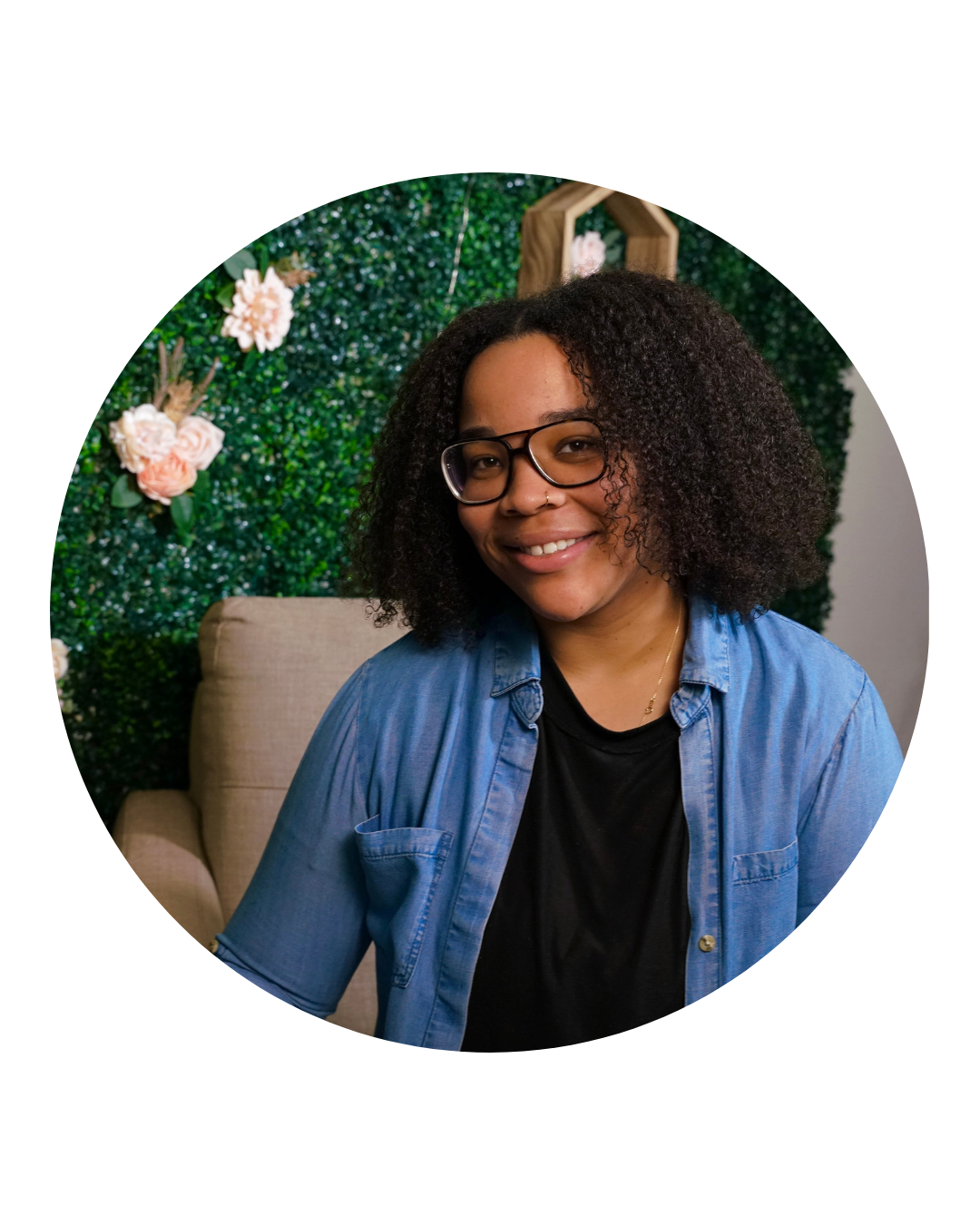
The EJOHP is a recipient of NCBA’s 2022 Environmental Justice mini-grant and has worked with Environmental Justice programming team leaders La’Meshia Whittington and Jovita Lee to strategize on best engagement practices for our oral history, journalism, and podcast components.
Learn More
The Warren County Environmental Action Team (WCEAT) is a network of organizations & individuals working together to record, celebrate, and share Warren County's environmental justice legacy, natural resources, and diverse culture.
The EAT engages with other community leaders on various initiatives, including:
The EJOHP worked with WCEAT on the 40th anniversary of Environmental Justice celebrations and has connected with several network members for oral history guidance and direction.
Learn More
Vision:
We aim to create a series of linked conservation and cultural preservation projects in collaboration with federal, state, and municipal leaders, reflecting both the complex ecological history of the Swamp and the rich histories of its local communities.
Mission:
We strive to strengthen the relationship between cultural, tribal, environmental, and governmental organizations to advance equitable and inclusive activities that benefit all stakeholders, while respecting the Swamp as its own stakeholder.
Approach:
We host regular facilitated stakeholder meetings to foster trusting, mutually respectful relationships between tribal, federal, state, and municipal leaders and cultural community representatives in the Dismal Swamp region.
The EJOHP partnered with the Great Dismal Swamp Stakeholder Collaborative to build an oral history collection, mini-documentary, and process materials in connection to the rich history of the Great Dismal Swamp.
Learn More
Friends of Buckingham is a group of of Buckingham County citizens united to work with county leaders to attract economic investment opportunities that benefit all residents, and that contribute to a sustainable healthy environment. They are dedicated to celebrating their county’s diverse cultural heritage, rural lifestyle, and to protecting natural resources and last, remaining, wild places.
Towards that end, they are committed to protecting the health and environment from any outside interests that seek to exploit their natural resources, such as the proposed Atlantic Coast Pipeline (ACP, formerly known as the Dominion Southeast Reliability Project).
The EJOHP partnered with Friends of Buckingham to collect a mini-collection of oral histories on the civil disobedience that took place in response to the proposed Atlantic Coast Pipeline from 2013-2020.
Learn More
The Center for Rural Enterprise and Environmental Justice (former the Alabama Center for Rural Enterprise) was created by Catherine Coleman Flowers to reduce health and economic disparities and improve access to clean air, water, and soil in marginalized rural communities by influencing policy, inspiring innovation, catalyzing relevant research, and amplifying the voices of community leaders, all within the context of a changing climate.
CREEJ, as a part of a longstanding partnership with Duke University, was one of the original project partners and grant applicants in 2021.
Learn More
Our work would not be possible without the effort, patience, flexibility, and care of our partners and volunteer oral historians, journalists, and advocates. We are extremely proud of the epiphanies, laughter, progress, and fellowship we’ve fostered as a part of this process.
To learn more about our amazing student and volunteer team members, check out the individual oral history and collection pages.
Founder + Project Lead
Cameron is an internationally awarded environmental justice (EJ) organizer, oral historian, and journalist who has worked for nearly a decade to establish climate education initiatives, redistribute resources to frontline organizers, and report on environmental racism, climate, policy, and land in the U.S.
In addition to spearheading this project, she has been featured on panels, in the written word, and in documentary film alongside the originators of the Environmental Justice Movement, and continues to work directly with foundations and several Southeast organizations on their strategy-building, capacity-building, and storytelling efforts. In collaboration with movement leaders, she has contributed a chapter on building narrative power for EJ movements to the “Liberation Stories” anthology and is currently writing a primer on the history of environmental racism and climate movements in the U.S. with movement icon, Rev. Dr. Benjamin Chavis.
Cameron is a National Geographic Young Explorer; Young, Gifted, and Green 40 Under 40 Awardee; Aspen Institute Future Leader Climate Fellow; and 30 Under 30 Leader with the North American Association for Environmental Education who has spoken about storytelling as a powerful climate solution on panels with the Environmental Protection Agency (EPA), Commission for Environmental Cooperation (CEC), and NATO. Her reporting – recognized by the Sierra Club, Southern Environmental Law Center, Covering Climate Now, and the Society of Environmental Journalists – has been featured in Grist, The Nation, Environmental Health News, Southerly, Scalawag, and Yale Climate Connections among others.
Cameron received her Master in Public Policy and Bachelors in Environmental Science and Policy from Duke University. Her work is inspired by her own connection to ancestral farmland that’s been in her family for 100 years.
She serves as the primary director and organizer for the EJ Oral History Project including strategic development, fundraising, journalistic content creation, outreach, and management of oral histories and other resources with community and academic partners.
Transcription Manager (2023-Present)
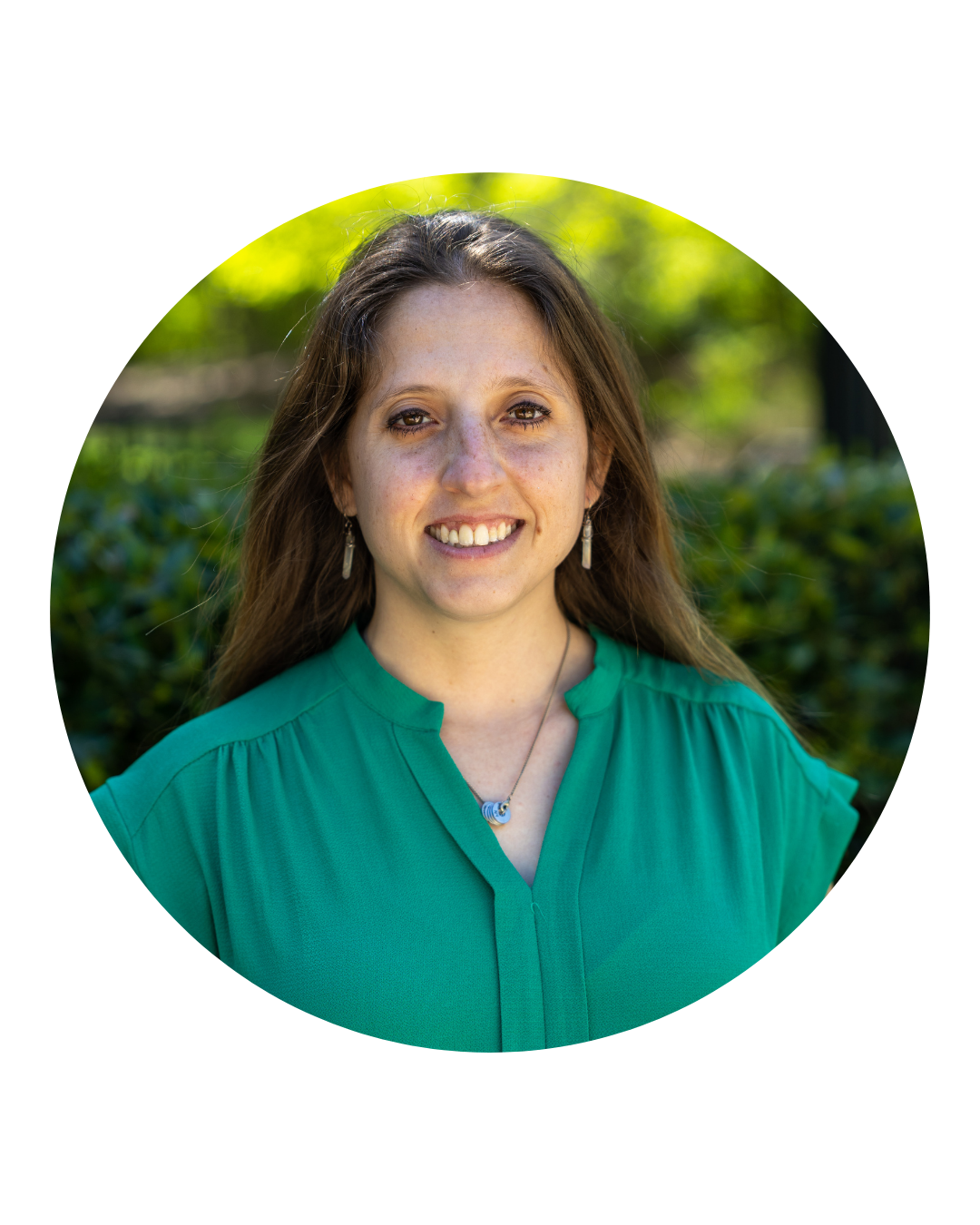
Amanda Ostuni has a Master of Public Policy from Duke University, and a BA in Journalism from Northeastern University. She spent nearly two years as a reporter for a daily newspaper in Massachusetts, before leaving to serve in an AmeriCorps disaster relief program. Through that service experience, she gained deep insight into myriad of environmental issues and injustices across the South. It bolstered her interest in human rights advocacy, and though after the program she spent a few more years working in various media roles, in 2020, she began transitioning toward a policy career. Today, she’s leveraging her communications skills and policy/political knowledge to improve social justice by conducting outreach and casework for the unhoused population in NYC, and by providing transcript and journalistic support to the EJ Oral History Project.
The EJ Oral History Project is committed to cultivating relationships that ensure our projects and processes lean on best storytelling and community-engagement practices as well as principles of environmental justice. Our “mentors”, who have served as sounding boards, advisors, and supports at varying stages in project development, help us in maintaining our commitment to intentional, community-owned storytelling.
Wesley Hogan is Research Professor at the John Hope Franklin Humanities Institute at Duke University. In June 2021, she concluded an 8-year tenure as Director of the Center for Documentary Studies at Duke. Between 2003-2013, she taught at Virginia State University, where she worked with the Algebra Project and the Young People’s Project. She writes and teaches the history of youth social movements, human rights, documentary, and oral history. She co-facilitates a partnership between the SNCC Legacy Project and Duke, The SNCC Digital Gateway, whose purpose is to bring the grassroots stories of the civil rights movement to a much wider public through a web portal, K12 initiative, and set of critical oral histories.
Wesley was one of the original faculty advisors and the primary oral history support during the Environmental Justice Oral History Project establishment at Duke University (2021-2023). She continues to provide guidance on academic oral history collection practices for the initiative.
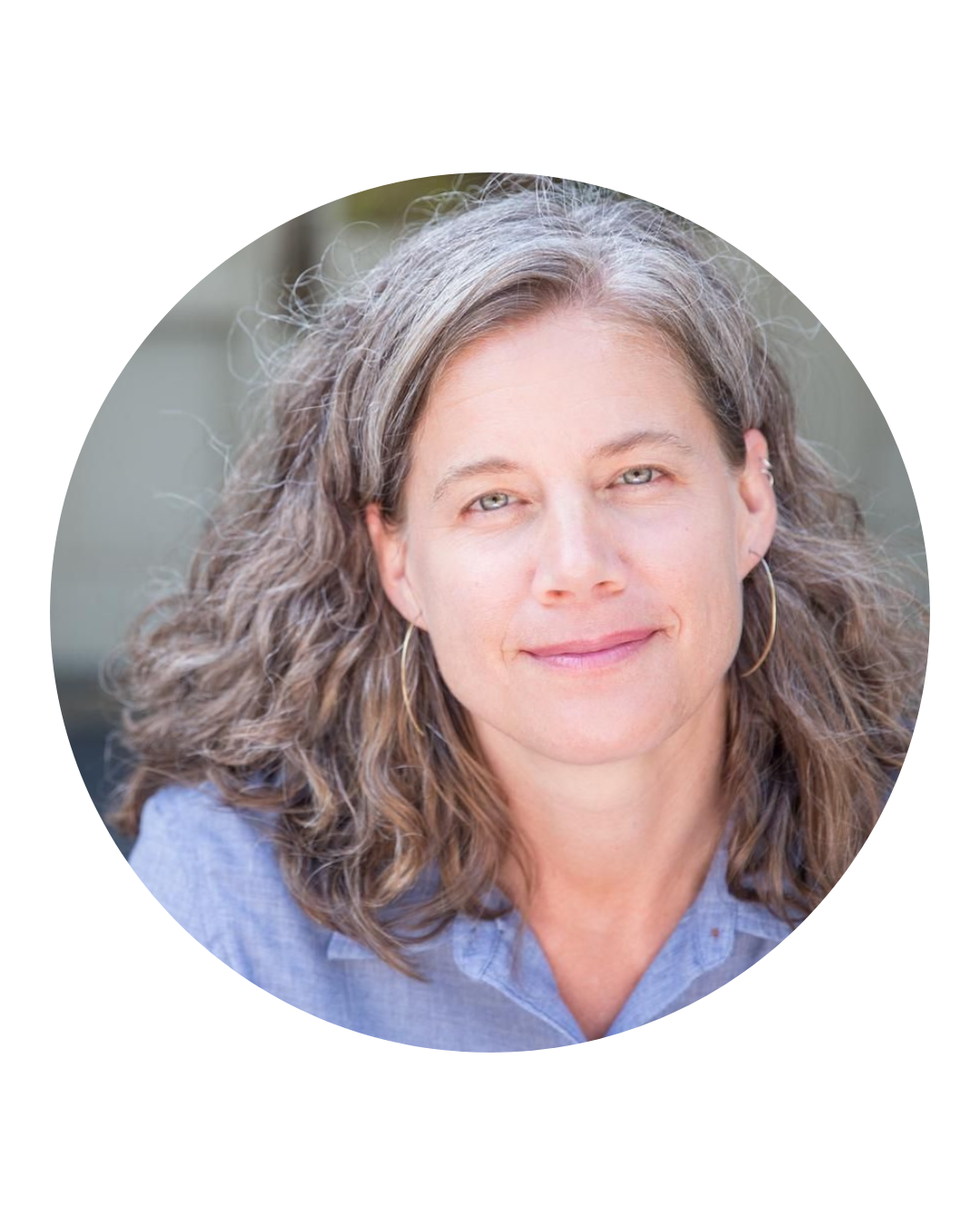
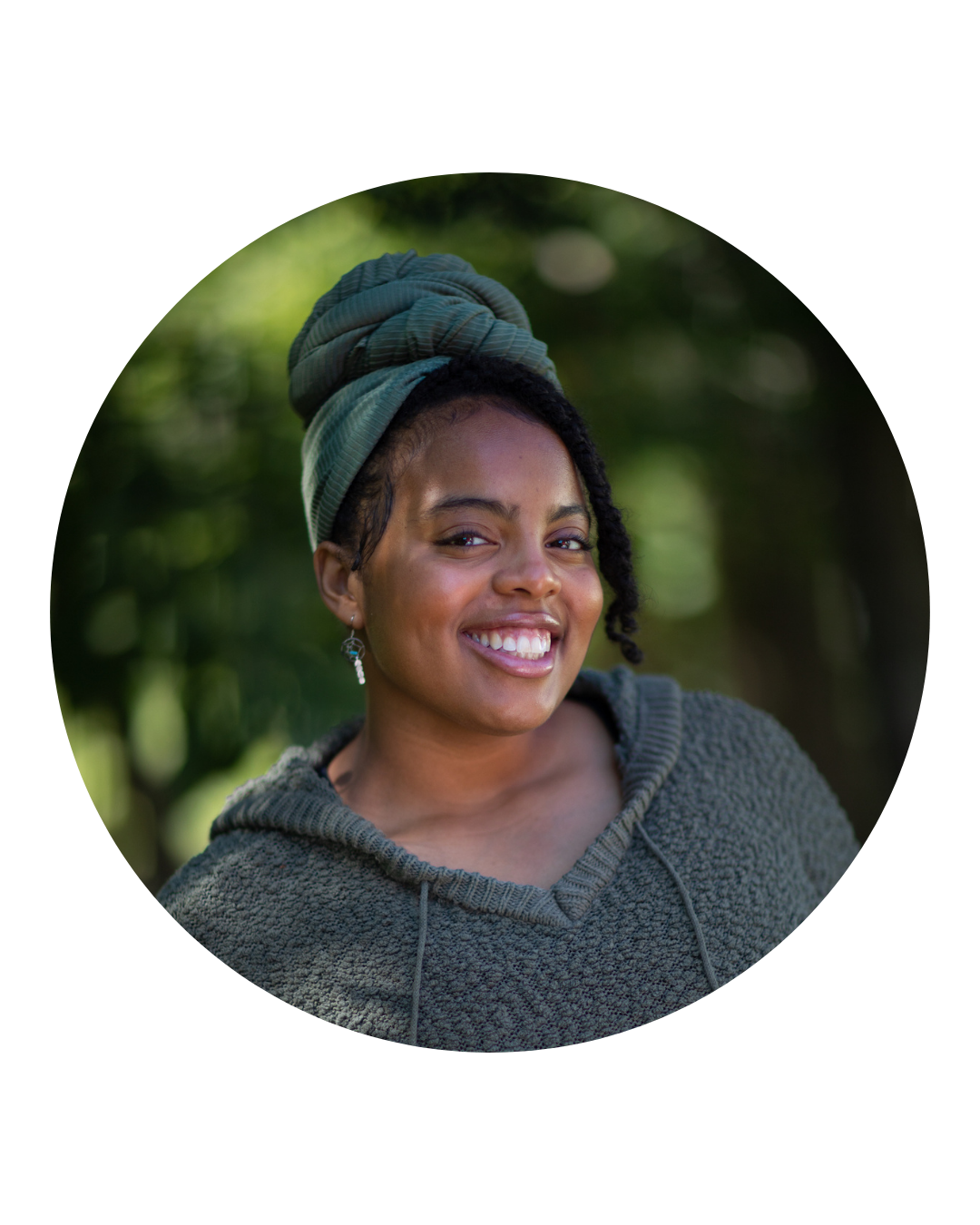
Iris M. Crawford is a movement journalist and strategic communicator living on Lenapehoking ancestral lands, now known as New City City. She is the Climate Justice Senior Editor at Nonprofit Quarterly and has reported on solutions around the just transition, environmental science, decarbonization, and the intersections between race, culture, and climate inequity. What led her to journalism was grassroots organizing, where she worked with frontline communities across the Western US and helped push for community power and energy justice in California. Most recently, she was a 2024 Mellon Environmental and Epistemic Justice Fellow at Wake Forest University. Her work has appeared in NPQ, The Guardian, Civil Eats, San Francisco Chronicle, and Prism, among other publications. She is a board member of the Uproot Project, a support network of environmental journalists of color. Iris holds a BA from Syracuse University and an MS in Science Writing from MIT.
Iris has been a long-time strategic support for the Environmental Justice Oral History Project, particularly in connection to journalistic partnerships and broader distribution strategy.
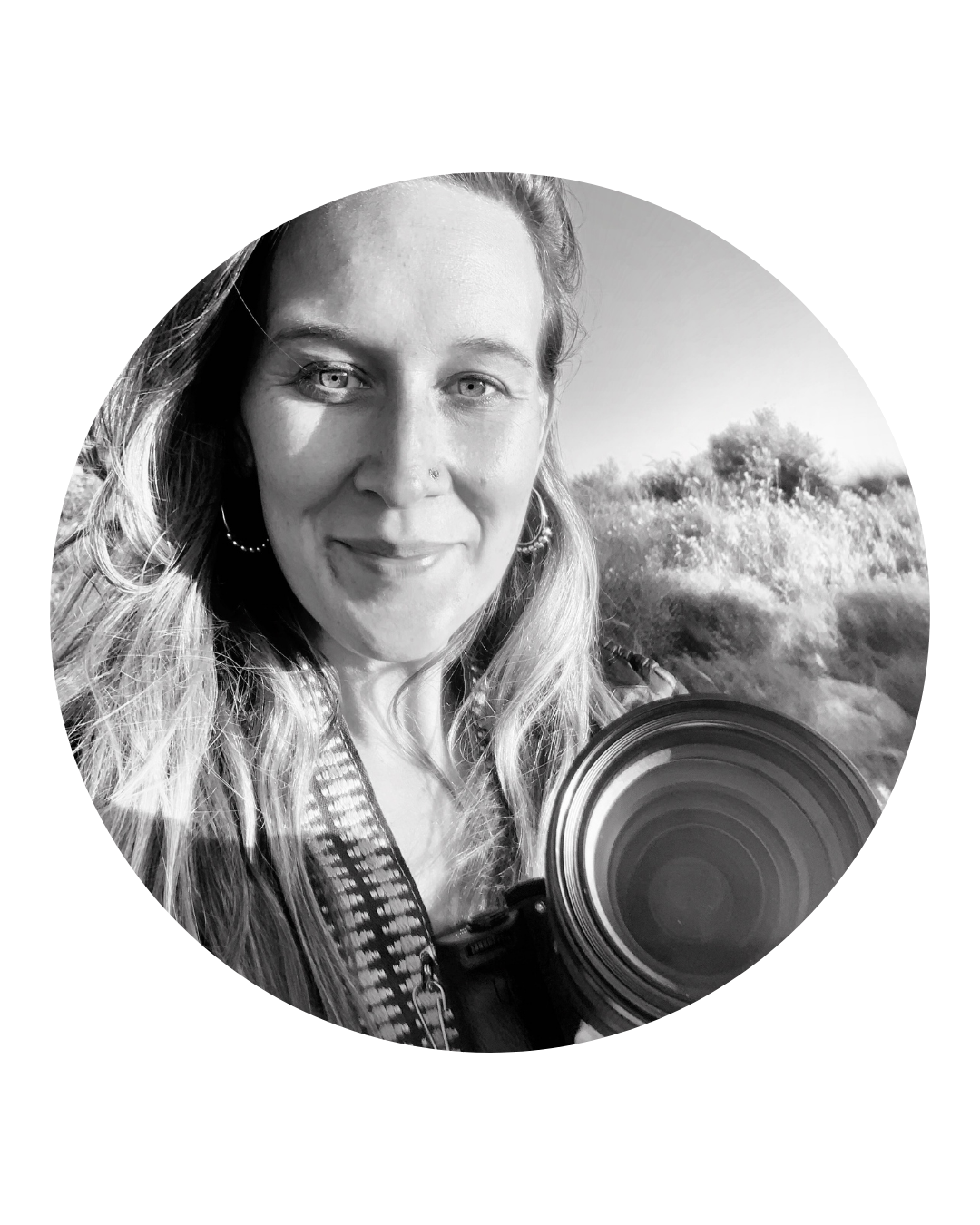
Maggie Lemere is a filmmaker, oral historian, and National Geographic Explorer who examines humanity’s relationship with
Maggie has served as a mentor and advisor for the Environmental Justice Oral History Project since 2024 in her capacity as a National Geographic Explorer and connected to her expertise with community oral history and documentary film.
Anjali D. Boyd is a marine scientist, technologist, and storyteller who works across sectors to develop innovative solutions for ocean sustainability. Her career spans academia, government, non-profit, & private sectors, where she consistently bridges the gap between cutting-edge research, policy, and technological innovation to drive meaningful change in the Ocean Economy.
As a Ph.D. Candidate and Dean’s Graduate Fellow at Duke University’s Nicholas School of the Environment, Anjali‘s research focuses on developing scalable solutions for marine ecosystem conservation. She is a National Science Foundation Graduate Research Fellow, Ford Fellow & National Geographic Explorer, whose work has earned recognition from the Smithsonian, NOAA, National Academy of Sciences, & Aspen Institute.
Throughout her career, Anjali has been a transformative leader in advancing equity within marine sciences. As a founding board member of Black Women in Ecology, Evolution, and Marine Science (BWEEMS), she helped grow the organization into a global community of 500+ members across 22 countries. Her leadership in professional societies, including the Ecological Society of America, Coastal & Estuarine Research Federation, and Society of Wetland Scientists, has resulted in concrete institutional changes—from diversifying editorial boards to establishing dedicated funding for underrepresented scientists. As an Early Career Liaison to the US National Committee for UN Decade of Ocean Science, she served on the National Academies’ Committee on Cross-Cutting Themes, helping shape the 2022 strategic framework that defined U.S. priorities and innovative ‘Ocean-Shots’ for the Decade. At the local government level, she served as an elected Soil and Water Conservation District Supervisor in Durham, NC (2020-24), where she implemented science-based strategies and expanded equitable resource access for minority farmers & business owners.
Anjali has brought her expertise in ecological education as a strategic support for the Environmental Justice Oral History Project since it’s inception at Duke University.